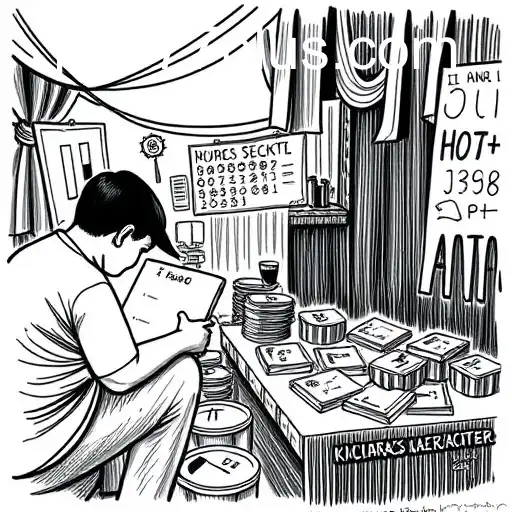
The Complex Phenomenon of Jueteng and the PD777 Context
Jueteng, a deeply entrenched numbers game in the Philippines, has been woven into the fabric of society over the years. Originating in the Spanish colonial era, this illicit lottery remains both a source of controversy and a part of everyday life for many Filipinos. Understanding the dynamics of jueteng, in conjunction with the legislative context surrounding PD777, reveals much about the socio-political landscape of the Philippines.
What is Jueteng?
Jueteng is an illegal numbers game that operates clandestinely, typically involving two sets of numbers from 1 to 37. Draws occur multiple times a day, maximizing opportunities for players to place bets. The operators, known as "kubradores" and "kabo," collect bets from betting participants known as "bettors." Winning a jueteng draw involves matching the numbers picked with the numbers drawn, offering those few lucky winners a significant payout relative to their bet size.Phlvip
06JL comDespite its illegal status, jueteng is profoundly popular among many Filipinos, especially in rural and economically disadvantaged areas. It is often seen as a low-risk, quick reward form of gambling compared to legal lotteries. The widespread appeal lies in the hope it offers, however slim the odds might be.
Historical Context and Popularity
Jueteng's origins trace back to the colonial times when it was introduced by Chinese immigrants. Over the centuries, it embedded itself into the daily lives of Filipinos. During turbulent economic times, such as those experienced during the martial law period under Ferdinand Marcos, the game thrived due to its accessibility and the socio-economic challenges faced by many Filipinos.
Bingo Plus MaxThis gambling tradition has been continuously propagated by a lack of strict regulation and enforcement. Its popularity is amplified by social bonds, as those involved in jueteng operations often become neighborhood fixtures. These operators are frequently seen as benefactors in their local communities, blurring the line between legality and tradition.
The Economic Impact
While the game itself brings excitement to the players and operators, jueteng’s impact on the economy is considerable. Estimates suggest that the game generates billions of pesos annually, money that often bypasses formal economic channels. These funds do not contribute to tax revenues or official government projects, creating ripples in the broader economic structure.
The underground nature of jueteng also frequently leads to corruption. It is alleged that some officials receive bribes to turn a blind eye, effectively allowing the game to operate unchecked. The financial flow generated by jueteng is incentivizing corruption at various levels of the government machinery.
The Legislative Landscape: PD777
JILI XPresidential Decree 777 (PD777) symbolizes the myriad legislative attempts to eradicate or control jueteng. It serves as a crucial framework addressing illegal gambling. Although PD777 intended to curtail gambling, its effectiveness has been historically questionable due to inconsistent enforcement and the inadequacy of resources allocated for its implementation.
Similar to other anti-jueteng legislations, PD777 aimed to establish legal ramifications for those involved in illegal gambling operations. However, the inherent popularity and communal ties of jueteng pose significant barriers to stringent implementation. This underscores the difficulty of reforming a system deeply rooted in local cultures and economies.Line2Bet
Challenges in Eradicating Jueteng
The fight against jueteng is laden with numerous challenges. Aside from the structural challenges posed by enforcement, cultural and social acceptance of the game complicates efforts. Many Filipinos view jueteng not just as a game, but as a part of their social fabric—imposing bans often stirs community resistance rather than compliance.
Another challenge is the adaptability of the operations. Those involved in jueteng continuously evolve their methods to avoid detection. From employing technological advancements like using mobile phones for wager collections to maintaining discreet associations, apprehending illegal operators is increasingly complex.
Conclusion: The Path Forward
Addressing jueteng requires multifaceted approaches that go beyond mere legal prohibitions. It involves taking steps to provide alternative livelihoods, enhancing legal lottery systems to make them more attractive, and fostering economic development at grassroots levels to discourage dependence on illegal gambling for income.
While legislative measures like PD777 continue to exist, their success hinges on robust enforcement and cultural shifts. For meaningful reform to occur, there needs to be a synchronous effort between legislation, public policy, local governments, and community engagement, redirecting focus from punitive measures to sustainable, supportive alternatives.